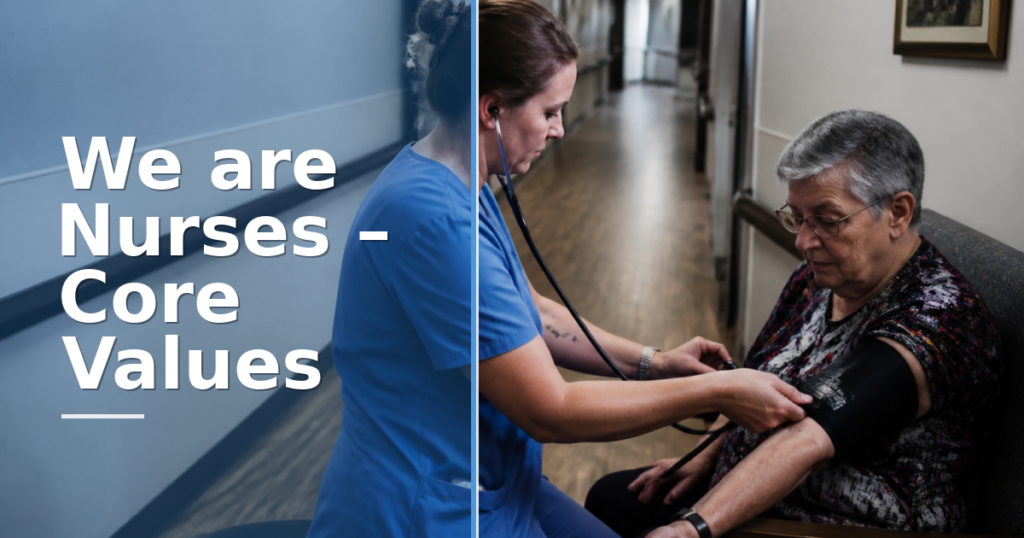


Iowa's RN vacancy rates top 20 percent at some hospitals, and hospital systems are actively subsidizing tuition to close that gap, making this the strongest window in years for LPNs to bridge upward. An RN license typically adds roughly $20,000 in annual pay over LPN wages, and Iowa's Nurse Licensure Compact membership means that credential travels across state lines.
The tension is timeline versus credential value: ADN bridges get you licensed faster, BSN bridges cost more and take longer but position you for charge and management roles later.
Pass rates separate programs that prepare graduates for licensure from those that merely enroll them, with completion and accreditation status breaking any ties.
Top Iowa LPN to RN Programs by NCLEX-RN Pass Rate
Every college below enrolls licensed practical nurses into an associate degree nursing pathway, but they differ sharply in how much credit they award for LPN experience, how often they start new cohorts, and how their graduates perform on the NCLEX-RN. Here is how the state's LPN to RN options stack up, strongest recent exam results first.
How we ranked these
- Institution-wide graduation rates, weighted most heavily
- NCLEX-RN first-time pass rates
- Program completion and retention
- Accreditation and delivery format
- Long-run earnings, weighted lightly
- NCLEX first-time pass rates published by the state boards of nursing — ncsbn.org
- IPEDS institutional survey data from NCES covering graduation rates, retention rates and student-faculty ratios — nces.ed.gov
- Internal program database
- Independent editorial research
- College Scorecard graduate earnings — collegescorecard.ed.gov

Indian Hills Community College
Indian Hills Community College in Ottumwa gives licensed LPNs advanced standing into the associate degree year instead of starting over, with a nine-month day sequence that runs August through May. Coursework adds complex health problems, microbiology, and an entry-into-practice course, while clinicals rotate through hospitals, long-term care, and community clinics across southeast Iowa. The program is accredited by the Iowa Board of Nursing, and its graduates have produced one of the strongest first-time NCLEX-RN pass records in the state. Institution-wide, about four in ten students complete a credential, which is why the assigned faculty advisor and structured sequence matter here.
- Iowa Board of Nursing accredited
- Entrance exam required (TEAS)
- 9-month day program, August through May
- 2.5 GPA minimum in prerequisites
- Advanced standing for licensed LPNs
- Clinicals in hospitals, long-term care, and community clinics
- Faculty advisor assigned on entry
- CNA course required before entry
LPN/LVN to RN, Associates — On-Campus

Northeast Iowa Community College
Northeast Iowa Community College in Calmar moves LPNs through its Transitioning from Practice into Associate Degree Nursing pathway, which lets licensed practical nurses articulate into the sophomore year when space and nursing leadership approval allow. Admission hinges on the HESI LPN to ADN entrance exam with a minimum score of 850, taken on campus or remotely with video proctoring, and prep books are stocked in campus libraries and learning centers. First-time NCLEX-RN pass rates for the program rank among the highest of Iowa's community college nursing programs and hold up across a large candidate pool. Northeast Iowa's institution-wide graduation rate is also among the better figures in this group.
- Transitioning from Practice into Associate Degree Nursing pathway
- HESI LPN to ADN entrance exam required
- Minimum HESI score of 850
- Exam can be taken remotely with video proctoring
- Prep books available in campus libraries and learning centers
- LPNs may articulate into the sophomore year
- Campus-based program in Calmar
LPN/LVN to RN, Associates — On-Campus

Kirkwood Community College
Kirkwood Community College in Cedar Rapids builds its LPN to RN bridge around a model hospital simulation environment and clinical rotations at leading regional health systems, with the ADN reachable in as few as two to three semesters once LPN credit is applied. Transfer students typically move through the ADN courses part-time in a defined sequence, and some applicants must show recent LPN work experience along with a resume and two professional references. The program is accredited by the NLN CNEA and approved by the Iowa Board of Nursing, with fall, spring, and summer start terms. Its first-time NCLEX-RN pass rate is consistently strong and comes from the largest graduating group in this list.
- NLN CNEA accredited and Iowa Board of Nursing approved
- $13,481 total program tuition
- 61 total credit hours
- ADN completable in as few as 2 to 3 semesters
- Three start dates per year (fall, spring, summer)
- Hands-on clinical rotations at leading health care centers
- State-of-the-art model hospital simulation environment
- Transfer pathways to BSN programs
LPN/LVN to RN, Associates — On-Campus

Iowa Lakes Community College
Iowa Lakes Community College in Estherville awards eight credits for Nursing Concepts I and dosage calculations, so LPNs skip material they already know before joining the ADN cohort. The five-term, roughly 76-credit pathway covers medical-surgical, maternal-newborn, mental health, and pharmacology nursing, with simulation labs and clinicals in hospitals, long-term care, and community settings; the ACT is not required for LPN to ADN applicants. Graduates have posted a near-perfect first-time NCLEX-RN pass rate across the last three reporting years. The program is ACEN accredited and articulates into partner four-year schools for nurses who later want a BSN.
- ACEN accredited
- 76 total credit hours across five terms
- Eight credits awarded for Nursing Concepts I and dosage calculations
- 2.5 GPA minimum and an unencumbered LPN license
- ACT not required for LPN to ADN applicants
- Starts fall and summer
- Simulation labs plus clinicals in hospitals and long-term care
- Partnerships with four-year institutions for BSN completion
LPN/LVN to RN, Associates — On-Campus

Southwestern Community College
Southwestern Community College in Creston structures nursing education as a ladder: finish the practical nursing year, pass the PN licensure exam, then step into the registered nursing program while many students keep working as an LPN. Students split time between class and about two days a week at a health care facility under clinical faculty supervision, with coursework in the nursing process, health-illness continuum, critical thinking, ethics, and communication alongside anatomy, physiology, microbiology, and pharmacology. The college reports a 90% licensure pass rate and 90% job placement for the program, and it articulates into BSN programs. Everything happens at the Creston campus, roughly 70 miles from Des Moines.
- Iowa Board of Nursing accredited
- Ladder program from PN to RN
- Two-year program with one fall start per year
- Two days weekly at clinical sites
- About 90% licensure pass rate reported
- About 90% job placement rate reported
- Work while completing the RN program
- Articulation into BSN programs
LPN/LVN to RN, Associates — On-Campus
Iowa LPN to RN Programs at a Glance
The table below compares every ranked Iowa LPN to RN and LPN to BSN program side by side, covering cost, completion format, estimated program length, and NCLEX-RN pass rates. Net price and graduation rate figures reflect institution-wide averages from the U.S. Department of Education (2024) and may not represent nursing-specific outcomes. Program length is drawn from school catalogs and verified nursing department pages where available.
| School | City | Degree | Format | Estimated Program Length | Net Price (Institution Avg.) | Graduation Rate (Institution Avg.) | NCLEX-RN Pass Rate |
|---|---|---|---|---|---|---|---|
| Northeast Iowa Community College | Calmar | ADN | Campus | Consult school catalog | $11,272 | 51% | 87.9% |
| Kirkwood Community College | Cedar Rapids | ADN | Campus | 2 to 3 semesters | $9,705 | 43% | 86.0% |
| Northwest Iowa Community College | Sheldon | ADN | Campus | Consult school catalog (41 credit hours) | $14,800 | 58% | 77.3% |
| Iowa Central Community College | Fort Dodge | ADN (Advanced Standing) | Campus | Consult school catalog (79 total credit hours) | $9,328 | 42% | 71.4% |
| Saint Ambrose University | Davenport | BSN | Online | 21 months (6 semesters, 55 credit hours) | $24,691 | 61% | 69.7% |
How Long Does It Take to Go From LPN to RN in Iowa?
Your timeline from LPN to RN in Iowa depends on which degree you pursue and whether you can attend full time. Most Iowa bridge programs grant advanced standing for your LPN license, letting you skip early-level nursing courses and enter the curriculum ahead of traditional students. Prior college credits in anatomy, microbiology, and other prerequisites can shorten the path even further.

LPN to ADN vs LPN to BSN in Iowa: Which Path Fits You?
Which pays off faster in Iowa: an ADN bridge that gets you licensed in under two years, or a BSN bridge that costs more up front but prepares you for charge and management roles? The honest answer depends on your timeline, your budget, and whether you see yourself in a hospital corridor or a charge nurse office five years from now.
The ADN Bridge: Fastest Route to an RN Paycheck
The ADN option among LPN Bridge Programs is the quickest legal path to RN licensure in Iowa. Programs like Northwest Iowa Community College (41 credit hours, one summer term plus five semesters), Kirkwood Community College (61 credits), and Iowa Central Community College (79 credits, advanced standing) can lead to NCLEX-RN eligibility.
Cost is the other headline. In-state tuition at these community colleges runs between roughly $5,500 and $7,400 per year, with net prices in the $9,300 to $14,800 range once fees and living costs are factored in. Northwest Iowa Community College even flags free tuition eligibility through Future Ready Iowa for qualifying students. If you have a mortgage, kids, or an employer waiting to move you into an RN role, the ADN is usually the pragmatic call.
The BSN Bridge: Higher Ceiling, Longer Runway
Among LPN to RN Bridge Programs, the BSN bridge takes longer and costs more, but it changes what your career can look like. Saint Ambrose University in Davenport offers an online LPN to BSN that runs 55 credits over about 21 months, with total program tuition around $35,200 ($640 per credit). That is roughly two to four times the sticker price of the community college ADN options above.
What you buy with that extra tuition: eligibility for hospital roles that require or strongly prefer a BSN (most Magnet-designated systems fall here), a smoother path into nurse management and nurse educator tracks, and the prerequisite credential for graduate work if you eventually want to pursue NP or CRNA training.
How to Self-Select
- Choose ADN if: you need RN wages quickly, tuition budget is tight, or you plan to bridge to BSN later through an employer-funded RN to BSN program.
- Choose BSN if: you already know you want management, education, or advanced practice, and you can absorb the longer runway.
When choosing the right LPN/LVN bridge program, many Iowa LPNs split the difference: ADN first for licensure, then RN to BSN online while working.
Explore other Iowa related topics
Related Articles
Admissions, Credit Transfer, and Prerequisites
Admissions to Iowa LPN-to-RN bridge programs typically combine scores, grades, and prerequisite checks. Many programs ask for a GPA between 2.5 and 3.0 and require TEAS or placement testing. Common prerequisites include Anatomy and Physiology I and II, Microbiology, English composition, General Psychology, Human Growth and Development, Nutrition, and college-level math. Applicants should also plan for a background check; some programs require CNA registry documentation showing 120 hours.
At Des Moines Area Community College (DMACC), 2025-2026 applicants need a 2.75 GPA and a B in Anatomy and Physiology I, with all other prerequisites at C or higher. The ATI TEAS is required; the minimum composite is 55%, the second-year minimum is 65%, and the PN predictor minimum is 92%. Math placement requires a score of 30.
Kirkwood Community College also sets a 2.75 GPA and C-or-better prerequisite grades, while nursing courses need a B- or higher. Kirkwood accepts math placement score of 30, ACT math of 19, or SAT math of 510. International applicants need a TOEFL iBT score of 84 with a 26 speaking subscore. Kirkwood limits prerequisite retakes to two attempts and expects those courses to be completed within five years.
Because bridge programs build on LPN coursework, transfer credit policies vary. Prospective students often cross-check admission requirements for Best LPN Programs in Iowa 2026 before choosing a pathway. To avoid losing credits, verify course equivalencies with accredited LPN and RN programs early in the process.
According to Iowa Workforce Development's 2025 Iowa Healthcare Credentialing Grant summaries, St. Luke's reported an RN vacancy rate of 22.5 percent, while Allen Hospital cited a 13.9 percent RN vacancy rate with 93 open positions. Those hospital-specific gaps hint at why LPN-to-RN bridge pathways remain a priority across the state.
Online and Flexible Format Options for Working LPNs in Iowa
Balancing clinical shifts with coursework demands scheduling flexibility, yet Iowa's regulatory requirements mean fully online LPN-to-RN programs do not exist. Every accredited pathway in the state operates as a hybrid: didactic coursework delivered online with mandatory in-person labs and clinical rotations.
What "Online" Really Means in Iowa
When Iowa programs advertise online components, they refer to lecture content, exams, and general education courses. Hands-on skills labs and direct patient care clinicals must be completed face-to-face at approved sites. This structure protects educational quality while giving working LPNs more control over when they study theory.
Programs Built for Working Schedules
Northwest Iowa Community College offers an extended-pace LPN-to-RN ADN completion spanning one summer term plus five semesters. This track requires only one to two days of on-campus attendance per week, explicitly designed for students juggling work and family obligations. General education courses can be completed online, keeping required campus time focused on nursing-specific content.
Iowa Western Community College lists full-time, part-time, and evening delivery modes for its practical nursing program, with ADN cohorts starting in fall, spring, and summer at Council Bluffs and Clarinda. Multiple entry points let you begin when your schedule allows rather than waiting a full year for the next cycle.
Southeastern Community College notes that select courses are available online, and its Practical Nursing Diploma offers both spring and summer start terms.
Western Iowa Tech Community College runs hybrid tracks from Sioux City and Denison, giving students in western Iowa closer access to required sessions.
Clinical Placements Close to Home
Most programs arrange clinical rotations near your home community whenever possible, a significant benefit for rural LPNs who might otherwise face long commutes. Confirm placement logistics with your program coordinator early so you can plan around employer schedules.
If you are searching for evening programs near you, contact admissions directly to verify current cohort times, as schedules shift by semester and campus.
Financial Aid and Employer Tuition Reimbursement for Iowa LPN-to-RN Students
The hardest part of funding an Iowa LPN to RN Bridge program is rarely finding aid; it is matching the aid to your timeline and service commitments. Some programs cover tuition now, while others trade loan repayment for several years of work in an underserved county, so compare the Cost of LPN Programs & Schools before committing.
State and workforce funding
Iowa's Health Care Professional Incentive Program, the state's nurse and health care worker incentive program, opened in 2026 with about $8 million under House File 972.12 It is aimed at final-year students and clinicians working toward full Iowa licensure, including registered nurses. Recipients commit to practice full time in eligible high-demand fields in underserved counties for five years, or part time for seven years, and can choose an income bonus or federal student loan payment. The 2026 application deadline is March 31.2 The Iowa Nurses Foundation also awards scholarships to full-time and part-time students in RN, BSN, MSN, DNP, and PhD nursing programs, with an August 1 cutoff.3
Federal aid and scholarships
Complete the FAFSA early to gain access to Pell Grants and federal student loans for eligible bridge programs. NURSE Corps scholarships remain a federal option, but current LPN-to-RN eligibility is not clearly published for the 2025-2026 cycle, so confirm the details with a financial aid office before relying on this source.
Employer tuition reimbursement
Many Iowa hospitals and health systems, including UnityPoint Health and MercyOne, offer tuition assistance or reimbursement for employees moving from LPN to RN. Terms vary by facility, so ask human resources about service requirements, annual caps, and accreditation before enrolling. Apply early and get employer details before the first tuition bill arrives.
In Iowa, moving from LPN to RN typically lifts annual pay by roughly $20,000, and an Iowa RN license carries multistate privileges through the Nurse Licensure Compact, letting nurses practice across state lines without a second license.